It is not necessary to be ill to experience fatigue. Extended working hours, vigorous physical activity, travel, stress, sleep deprivation, and inadequate hydration can induce tiredness in the human body without one’s awareness. IV hydration therapy has become a potential remedy within the wellness and medical spa industry for healthy adults aiming to enhance their energy levels, facilitate recovery, and improve overall well-being (Fink, 2025). Unlike traditional IV treatments administered in hospitals to address acute medical issues, wellness-focused IV hydration emphasizes preventive care for generally healthy individuals by restoring hydration and nutrient balance through an effective intervention.
What Is IV Hydration Therapy in a Med Spa Setting?
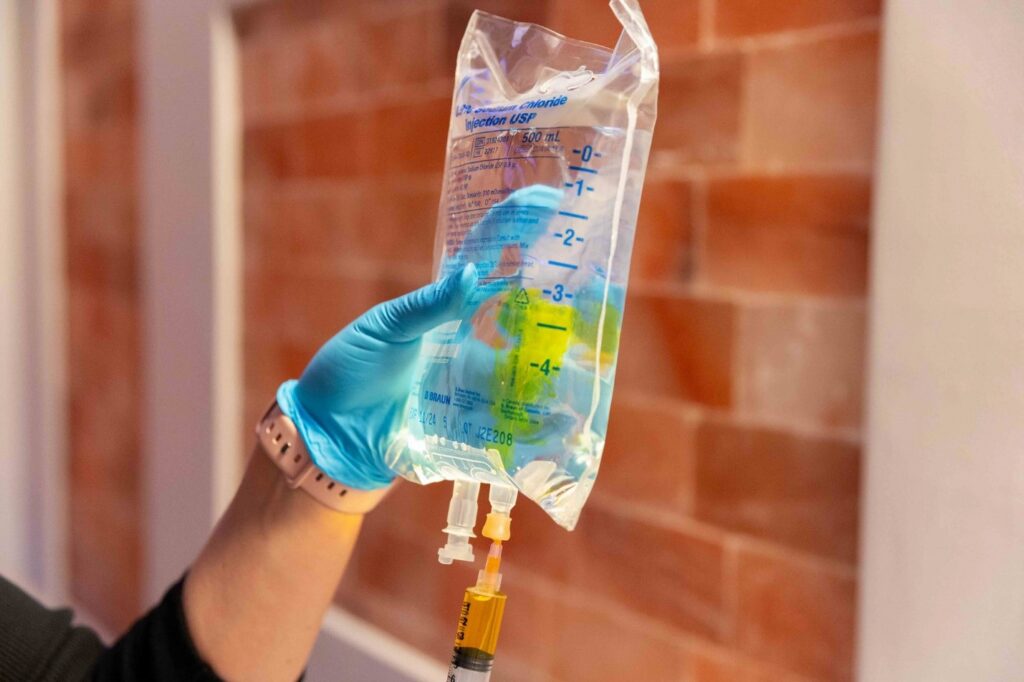
Intravenous hydration therapy is a procedure that entails the administration of fluids, electrolytes, and appropriate vitamins or antioxidants into the bloodstream via a small intravenous catheter. These infusions are meticulously designed within a med spa environment to promote wellness rather than to treat specific illnesses. Since the nutrients bypass the digestive system, they rapidly enter the cells and are utilized effectively, rendering this approach attractive to individuals seeking quick and efficient nutrient replenishment (Schweitzer, 2025).Why Healthy Adults Choose IV Hydration Therapy
Numerous healthy individuals are unable to maintain proper hydration and nutritional intake solely through diet. Factors such as caffeine consumption, alcohol intake, strenuous physical exertion, and exposure to hot environments increase the body’s hydration requirements. IV hydration therapy offers a direct approach to support the body when daily intake falls short.
Clients typically seek IV hydration therapy for purposes including increased energy, enhanced mental clarity, expedited recovery following exercise, and maintaining hydration during periods of heightened physical or mental activity. Frequent travelers also utilize IV hydration to prevent dehydration and adapt to changing time zones. For individuals interested in fitness, IV hydration can facilitate accelerated recovery following intensive exercise.
Common Wellness Benefits
IV hydration does not cure or treat an illness, but the majority of its users report positive wellness experience. Adequate hydration leads to better circulation and cellular activity that result in increased energy and focus in a person. Hydration therapy is appealing for many physically active adults, as the electrolyte balance is very significant in muscle activity and the transmission of nerve impulses. Vitamin-enhanced infusions, often including B-complex vitamins or vitamin C, are regularly chosen to support the metabolism and antioxidant benefits. These nutrients complement a healthy lifestyle and a balanced diet rather than substituting them when applied appropriately.
Safety, Oversight, and Responsible Use

IV hydration therapy should never be regarded as merely casual or cosmetic, even within a wellness environment. Prior to administering treatment, it is essential to conduct proper screening of clients, particularly when dealing with individuals who have underlying health conditions or are on medication. IV hydration therapy represents a responsible, moderated, personalized, and education-oriented approach to wellness (Sivakumar et al., 2025). Clients should understand that IV therapy is not a substitute for adequate oral hydration, nutrition, sleep, or medical care, but rather a supportive wellness option.
References
Fink, J. L. (2025). Medical Spas and Wellness IV Therapy. AJN The American Journal of Nursing, 125(5), 18-20. https://doi.org/10.1097/AJN.0000000000000075
Schweitzer, K. (2025). IV Hydration Spas Are Gaining Popularity, but Are They Safe?. JAMA, 334(18), 1609-1610. https://doi.org/10.1001/jama.2025.18832
Sivakumar, A., Forman, H. P., Wang, I., Lurie, P., & Ross, J. S. (2025). State Policies and Facility Practices of IV Hydration Spas in the US. JAMA Internal Medicine, 185(12), 1455-1461. https://doi.org/10.1001/jamainternmed.2025.5028